Similar Posts
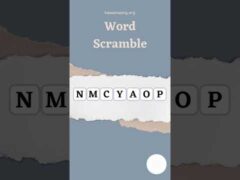
7 Letter Word Scramble: A Calming Activity for Mom and Dad
Looking for a calming, stress-free way to engage with your aging parents? This Word Scramble is designed specifically for seniors and their caregivers to enjoy together.
Taking care of Mom and Dad shouldn’t just be about appointments and meds—it’s about the moments in between. We created this activity to spark conversation, trigger happy memories, and provide a gentle “brain gym” session that isn’t frustrating.
Play this and more online at: https://takingcareofmomanddad.org/activities/ 🧩 Subscribe for weekly activities that make caregiving a little lighter.
No loud music, no flashing lights. Just a peaceful, nostalgic activity for the “Sandwich Generation” and the parents we love.
#Caregiving #GenX #SeniorActivities #DementiaGames #TakingCareOfMomAndDad #HealthyAging
Famous Cars Trivia Game | Gen X Memory Challenge
Test your memory with this fun trivia game featuring famous vehicles from movies and TV. Perfect for Gen X and caregivers.
This trivia game is all about famous vehicles you may recognize from movies, TV, and pop culture.
See if you can name each one before the answer is revealed.
👉 Watch the video above and play along.
For caregivers, this type of trivia can help:
- Trigger long-term memory
- Spark conversation
- Create shared moments of recognition
Try asking:
- “Do you remember this one?”
- “What movie was it from?”
- “Did you like that show?”
Even one correct answer can lead to a great conversation.
- Blog | Calm Room | Games Puzzles | Tips
Gen X Caregiving: Vacation Memories That Spark Conversation
Use vacation memories to spark meaningful conversations with aging parents. This guided video helps caregivers connect through simple, engaging questions.
This video is designed to help spark meaningful conversations using something most of us can relate to—vacations.
For many caregivers, starting a conversation can sometimes feel difficult. But familiar topics like travel, family trips, and favorite destinations can bring back memories and create natural opportunities to connect.
👉 Watch the video above and use the prompts to guide your conversation.
You can pause at any time and ask questions like:
- What was your favorite place you ever visited?
- Did you prefer road trips or flying?
- Who did you usually travel with?
- Do you remember a funny or unexpected moment from a trip?
There’s no right or wrong answer—just the opportunity to share a moment together.
Even short conversations like this can help with memory recall, emotional connection, and overall engagement.
Why Talking About Vacation Memories Helps
Talking about past vacations can help trigger long-term memories, which are often easier to access than recent events. For caregivers, this creates a natural and low-pressure way to engage a loved one, reduce frustration, and build emotional connection. These small moments of recognition and storytelling can be incredibly meaningful over time.
Did this work for you?
Tell me what they said