
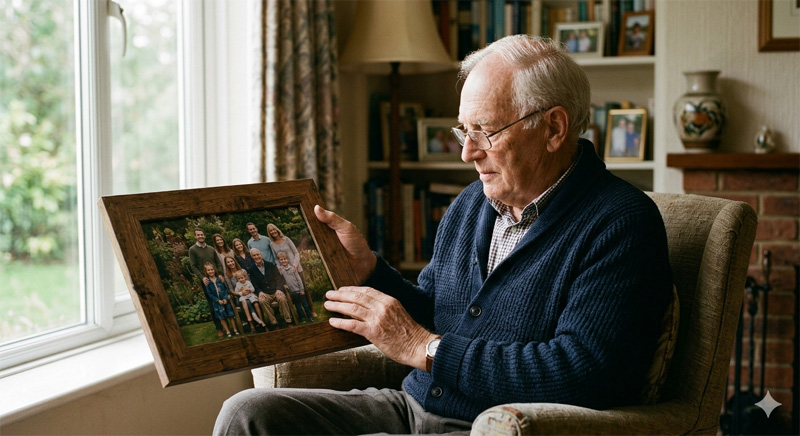
Understanding and Caring for Dementia
Dementia is not one disease — it is a term for a group of symptoms that affect memory, thinking, and the ability to do everyday tasks. Alzheimer's is the most common type, but there are others. Whatever the cause, the caregiving challenges are real, and you deserve good information and support.
The most common type. Starts with memory loss and gradually affects all thinking and function. See our Alzheimer's page for more detail.
Caused by reduced blood flow to the brain, often after a stroke. Symptoms can come on suddenly and may include problems with planning and judgment before memory loss.
Causes vivid hallucinations, movement problems similar to Parkinson's, and thinking that fluctuates — clear one hour, confused the next.
Affects personality and behavior first. A person may say inappropriate things, lose empathy, or develop compulsive behaviors. Often diagnosed in people in their 50s and 60s.
Many people have more than one type at the same time. A specialist evaluation helps identify what is happening.
Dementia takes things away gradually. Celebrate what remains. Helping someone do a task alongside you is better than doing it for them.
Loud TV, many visitors, or changes in routine can cause distress. A quiet, predictable home reduces anxiety significantly.
Label kitchen cabinets, bathroom doors, and drawers. Photos on labels work better than words in later stages.
If your parent says something confused or untrue, look for the emotion behind it. Are they scared? Lonely? Respond to the feeling.
Dementia caregiving is a marathon. Adult day programs, respite care, and support groups are not luxuries. They are how you stay in this for the long run.
Dementia progresses slowly. A sudden dramatic change usually means something else is happening — an infection, medication problem, or delirium. Call the doctor.
People with dementia cannot reliably manage their own medications. Take this over completely and use a locked medication dispenser if needed.
People with dementia are targets for scams and can give away money impulsively. Review bank accounts and consider financial protections early.
Dementia and driving is a serious safety issue — for your parent and everyone else on the road. This conversation needs to happen, and the doctor can help.
"What type of dementia does my parent have, and how is it likely to progress?"
"Is a referral to a neurologist or geriatric specialist appropriate?"
"What is the safest way to manage medications at home?"
"When should my parent stop driving, and how do we handle that conversation?"
"What support services exist in our area for people with dementia and their caregivers?"
When dementia reaches its final stages, hospice shifts the focus to comfort, dignity, and peace. Families who call hospice early consistently say they wish they had done it sooner.
Your loved one is no longer able to walk, speak, or recognize family members. They need full help with all personal care, are eating very little, or are sleeping most of the day.
Recurring pneumonia, urinary tract infections, or significant unintended weight loss in late-stage dementia often indicate the body is in decline. Talk to the doctor.
Medicare covers hospice when a doctor certifies life expectancy is six months or less if the disease follows its expected course. Many people receive hospice care for longer than six months.
A full team — nurses, home health aides, social workers, and chaplains — comes to your home. They handle symptoms, personal care, and emotional support, and are available around the clock. Grief support for family is part of the benefit.
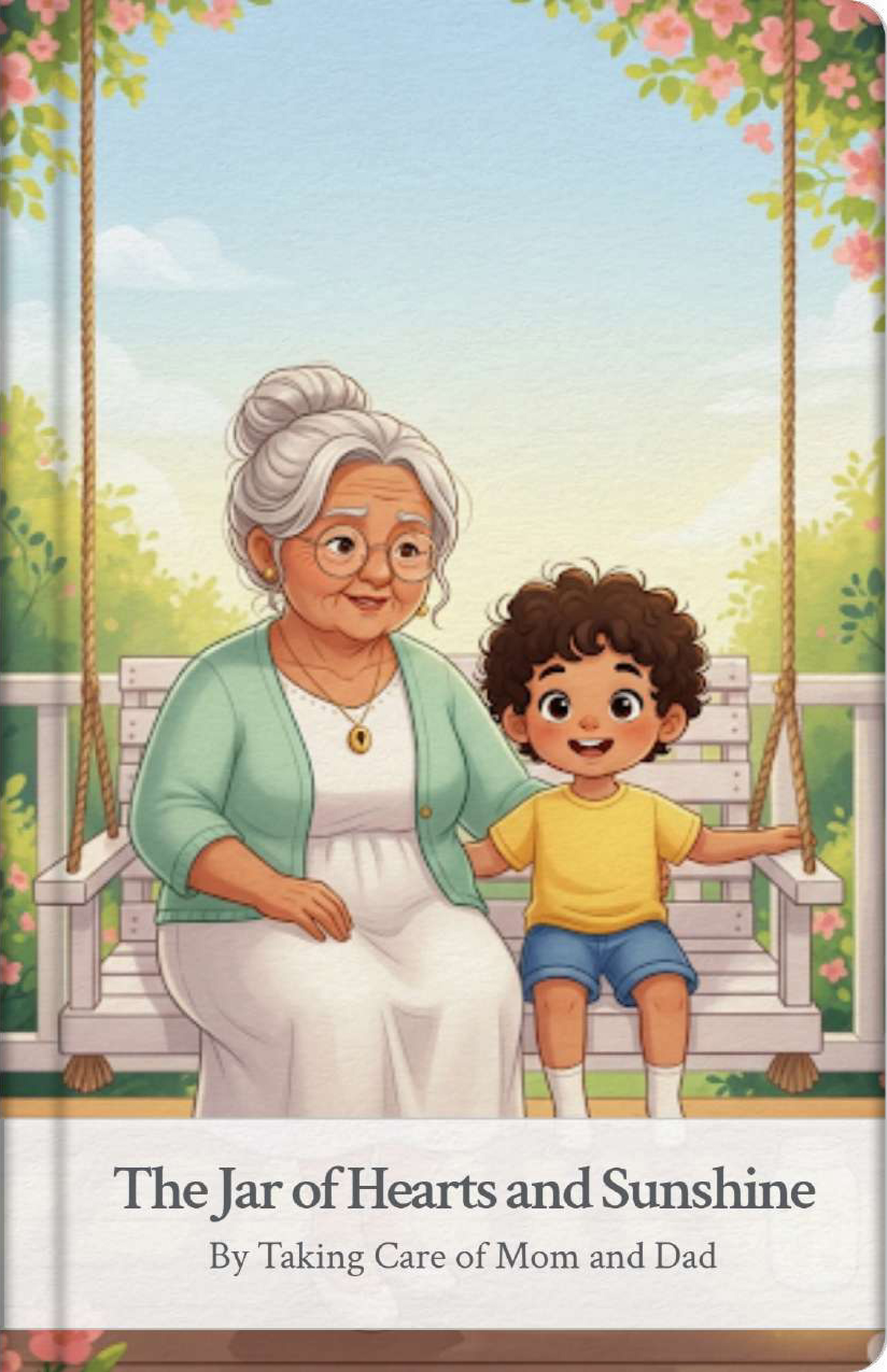
The Jar of Hearts and Sunshine
A gentle picture book for little ones — ages 3 to 5 — who love someone with dementia. Warm, hopeful, and completely free.
What has helped you? What do you wish you had known? Your words help other caregivers feel less alone.
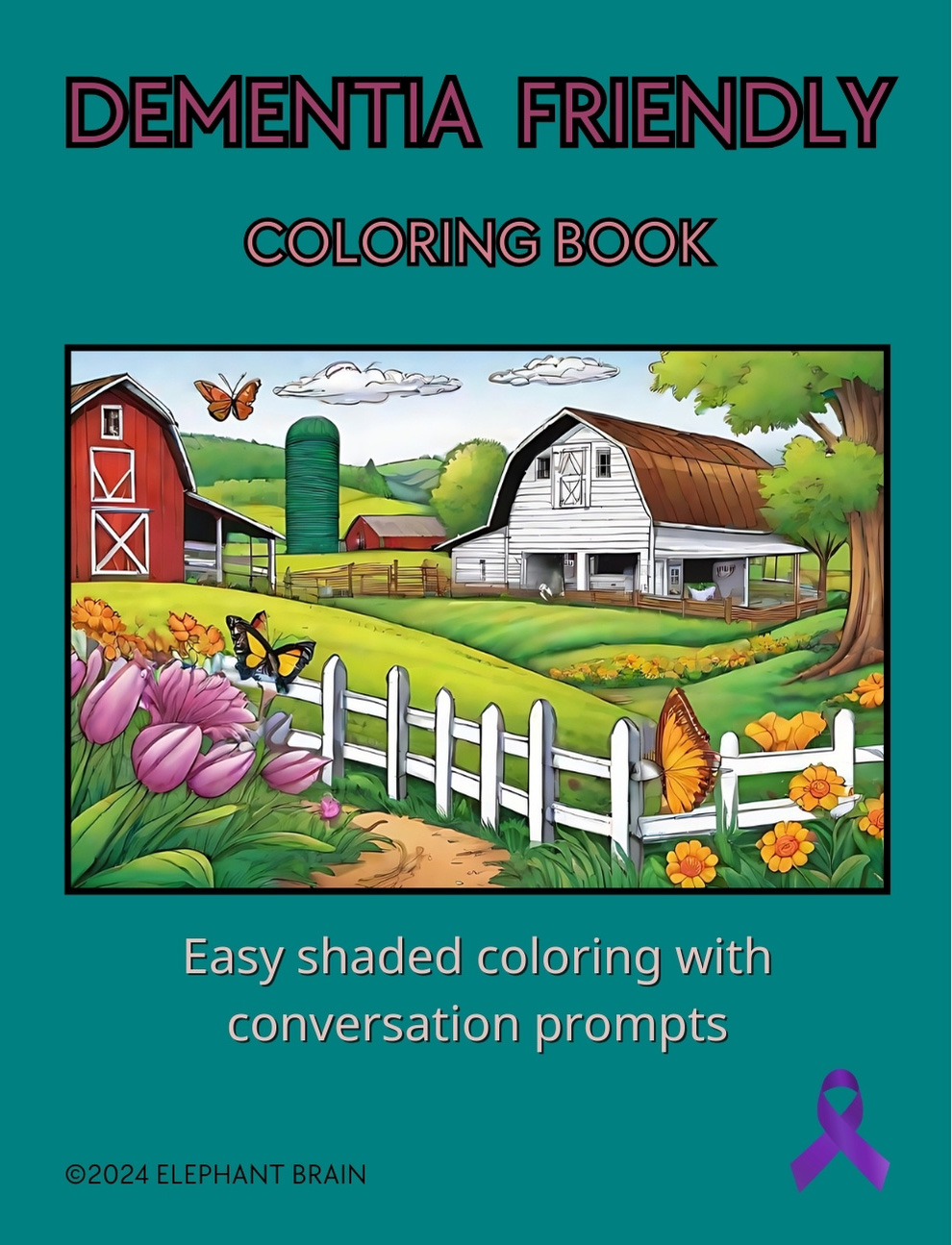
Simple, calming pages with bold lines — a soothing activity for seniors and loved ones with memory challenges.
Get It on Amazon