
Awesome Day Trip With the Family
We went to Fun Spot with family. Love this place because it has sidewalks for wheelchairs and walkers. The benches are great to rest on. Also great access to restaurants.
Test your memory with this fun phrase challenge for Gen X. Great for mental fitness and nostalgic recall.
Ready for a quick memory challenge?
These phrases may bring back memories from years past. See how many you can complete before the answer appears.
👉 Play the video and follow along.
This is a great solo activity or something to do with a parent or loved one.
It’s simple, familiar, and often surprisingly powerful in bringing back memories.
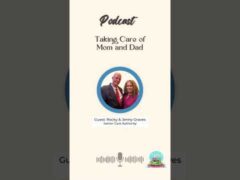
One of the most important things you can do for your aging parent — and for yourself as a caregiver — costs very little and takes a few hours. It is called a power of attorney.
If your parent ever becomes unable to make decisions for themselves, a power of attorney is the document that gives you the legal authority to act on their behalf. Without it, you could find yourself locked out of bank accounts, unable to pay bills, and forced into expensive court proceedings just to take care of the person you love.
Please note: This page provides general information for family caregivers — not legal advice. Laws vary by state. Consult an elder law attorney for guidance specific to your situation.
A power of attorney (POA) is a legal document. In it, your parent (called the “principal”) gives another person (called the “agent”) the authority to make decisions on their behalf.
The most important thing to understand: your parent must be mentally competent to sign a power of attorney. Once someone has dementia or another condition that affects their judgment, it may be too late.
This is why having this conversation early matters so much.
Financial Power of Attorney. This gives the agent authority over financial matters — paying bills, managing bank accounts, filing taxes, selling property, and handling investments. Without this, you cannot legally manage your parent’s money, even in an emergency.
Healthcare Power of Attorney (Medical POA). This gives the agent authority to make medical decisions if your parent cannot speak for themselves. Who should be resuscitated? Should surgery happen? This document answers those questions.
Durable Power of Attorney. The word “durable” is critical. A durable POA remains in effect even if the person becomes incapacitated. A non-durable POA automatically ends if the person loses mental capacity — the opposite of what you need. Always use a durable POA for elder care planning.
Springing Power of Attorney. This only becomes active when a specific event happens — usually when a doctor certifies the person is incapacitated. Some families prefer this because the agent has no authority until it is truly needed.
If your parent becomes incapacitated without a POA in place, someone must go to court to be appointed as their legal guardian or conservator. This process is called guardianship.
It is expensive. It is slow. It can cost several thousand dollars and take months. It is public — court records are visible. And the court decides who is appointed, which may not be who the family would have chosen.
A power of attorney costs a fraction of that and takes a single appointment with an attorney.
Talk to your parent now while they are willing and able. This conversation does not have to be scary. Frame it as planning — “I want to make sure I can help you if something happens.”
Hire an elder law attorney to draft the documents. While DIY POA forms exist online, they vary by state and mistakes can make them invalid. An attorney ensures the document is properly witnessed and notarized.
Make copies. The original should be stored safely. Give copies to the agent, the bank, the doctor, and anyone else who will need it.
Review it periodically. Laws change, and your parent’s wishes may too.
“Does my parent currently have a financial power of attorney and a healthcare power of attorney?” “Are these documents durable so they remain valid if my parent becomes incapacitated?” “Who is named as the agent, and is there a backup agent named?” “Where are the originals stored, and who has copies?” “Should we consult an elder law attorney to review or update existing documents?”

Can your loved one guess the farm animal? This fun close-up reveal video is a delightful activity for seniors and caregivers to enjoy together — sure to bring back wonderful memories!