
Dance Therapy
Donna Newman from Dance Therapy talks with us about the benefits of movement.
Dance For Connection
www.danceforconnection.com

Donna Newman from Dance Therapy talks with us about the benefits of movement.
Dance For Connection
www.danceforconnection.com

Jeff Salter from Caring Senior Service
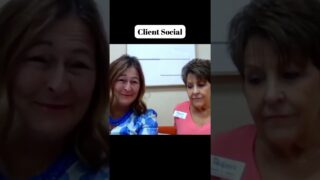
Senior Helpers is having a client social to keep their seniors active.
Senior Helpers
Lafayette, LA
860-760-6389

Caregiver tricks I have been a caregiver for 30 plus years and have learned a lot along the way.
Most families learn what hospice really is at the worst possible moment — when they are already in crisis and running out of time to use it well.
This guide exists so that does not happen to you.
Please note: This page provides general information for family caregivers. Hospice eligibility and coverage specifics vary. Always speak with your parent’s physician and a hospice provider directly.
Hospice is not giving up.
It is a decision to focus on what matters most in the time that remains — comfort, dignity, connection, and peace. The families who choose hospice consistently say the same thing: they wish they had called sooner.
Hospice does not make death come faster. Research has actually shown that some patients on hospice live longer than those who continue aggressive treatment near the end of life. What hospice does is make the time better.
Hospice is a Medicare benefit — and a philosophy of care — for people whose illness is no longer responding to treatment, or who have chosen to stop aggressive treatment.
It is not a place. Most hospice care happens at home. A team of professionals comes to where your parent is — their home, your home, a nursing facility, or an assisted living community.
The team includes a nurse who visits regularly and is available by phone 24 hours a day, every day. A home health aide who helps with bathing, dressing, and personal care. A social worker who helps the family navigate practical and emotional challenges. A chaplain who provides spiritual support regardless of belief. Volunteers who provide companionship and give caregivers a break. And a bereavement counselor who supports the family after the death — usually for at least a year.
All of this is covered by Medicare with little to no out-of-pocket cost. That includes all comfort medications, medical equipment like a hospital bed or wheelchair, and supplies.
Medicare covers hospice when a doctor certifies that life expectancy is six months or less if the disease follows its expected course. Two doctors must certify this — usually the primary care doctor and the hospice medical director.
This does not mean your parent will die in six months. Many people on hospice live much longer. Hospice can be renewed as long as the patient continues to meet the criteria. Some people receive hospice care for years.
Conditions that commonly lead to hospice include advanced cancer, end-stage heart failure, advanced COPD, late-stage dementia, advanced Parkinson’s disease, and end-stage kidney or liver disease.
If you are asking whether it might be time for hospice, it probably is. Most hospice professionals say the biggest regret families express is waiting too long.
Specific signs: treatment is no longer working or is causing more suffering than the disease itself. Your parent is spending more time in the hospital than at home. They have expressed that they are tired of fighting. They have stopped eating and are losing significant weight. Their symptoms — pain, breathlessness, confusion — are becoming hard to manage at home.
Talk to the doctor. Ask directly: “Would my parent benefit from a hospice evaluation?” If the doctor seems hesitant, you can also contact a hospice organization directly — they will conduct their own evaluation.
You do not have to have made a final decision to have the conversation. Asking for information is not the same as choosing hospice. A hospice evaluation is just an assessment.
You can change your mind. If your parent’s condition improves or they want to try a new treatment, they can leave hospice. They are not locked in.
“Would my parent’s doctor recommend a hospice evaluation at this point?” “What hospice providers are available in our area, and how do we compare them?” “What exactly will the hospice team provide, and how often will they visit?” “What happens if my parent has a crisis — who do we call?” “Does my parent have any say in which hospice provider we choose?”
You are doing most of the work. And you know it. And so do your siblings — even if they pretend not to.
Unequal caregiving is one of the most common sources of family conflict when a parent ages. One sibling ends up carrying most of the load — managing appointments, handling crises, showing up — while others contribute little or nothing. And the resentment builds quietly, until it does not.
This is worth addressing directly. Not because the conflict is comfortable, but because unresolved resentment damages families and burns out caregivers. Here is how to have the conversation.
Please note: This guide focuses on families where siblings are able but not contributing. If a sibling has their own serious health or life circumstances, those need to be acknowledged and worked around.
Distance. The sibling who lives far away genuinely cannot do the same things as the one who lives nearby. But distance does not excuse them from all contribution — it just changes what they can do.
Avoidance. Some people avoid caregiving because they cannot cope with seeing a parent decline. This is not malice — it is grief and fear that has not been named. It is still a problem, but it responds to a different approach.
Denial. Some siblings genuinely do not understand how much care is needed because they are not seeing it. A sibling who visits once a month for a pleasant Sunday dinner has a very different picture than the one who handles every doctor’s appointment and 2am phone call.
Division of labor assumptions. In many families, roles were silently assigned long ago — one sibling is “the caregiver” by unspoken family agreement. Changing that pattern requires naming it.
Different relationships with the parent. Complicated family histories mean some siblings have more complicated feelings about helping. This is real, and it matters.
Don’t call when you are at your breaking point. The conversation that starts with “I can’t do this anymore and you never help” is not the conversation that produces results. Choose a calm moment.
Use facts, not feelings (at first). “Mom has had three doctor’s appointments this month and I have taken her to all of them. Her medications need to be managed daily. Here is what the care currently requires.” A clear picture of the actual workload lands differently than “you never help.”
Ask specifically. “I need someone to take Mom to her cardiology appointment on the 14th. Can you do that?” is more productive than “I need more help.” Specific requests are easier to say yes to — and harder to say no to.
Divide by capacity, not equality. Equal is not always fair. Someone who works full time with young children cannot contribute the same hours as someone who is retired nearby. The goal is for everyone to contribute something meaningful relative to their situation.
Put it in writing. A simple shared document or family group chat that tracks appointments, tasks, and responsibilities makes invisible work visible and creates accountability.
Consider a family meeting — with help. If the conversation keeps failing, a mediator helps. A geriatric care manager, a social worker, or even a family therapist can facilitate a conversation that has become too loaded to manage on your own.
Some siblings will not step up no matter what you try. If you reach that conclusion after genuine effort, the path forward is accepting it and adjusting your expectations accordingly.
This does not mean accepting burnout. It means:
Hiring help to fill the gaps that family is not filling. This is not failure — it is a practical solution.
Setting limits on what you can do. You cannot give what you do not have. Communicating clearly what you can and cannot do is not abandonment — it is sustainability.
Getting support for yourself. A caregiver support group connects you with people who understand exactly what you are going through.
“Have I given my siblings a clear, factual picture of how much care is actually needed?” “Have I made specific requests rather than general ones?” “Do my siblings understand what I am doing, or do they assume things are handled?” “Is there a family meeting — possibly facilitated — that would help?” “If a sibling truly will not help, what changes do I need to make to protect myself?”
Your parent fell. Maybe you were there. Maybe you found them on the floor. Maybe they called you afterward and said it was nothing.
It is not nothing.
A fall in an older adult is always a signal — and sometimes an emergency. Here is exactly what to do.
Please note: If your parent fell and lost consciousness, hit their head, cannot get up, or seems confused or in significant pain — call 911 immediately. Do not try to move them yourself.
Do not rush to pull them up. Moving someone too quickly after a fall can cause more injury, especially if they have hit their head or hurt their back or hip.
Speak to them calmly. Ask: Are you in pain? Can you move your arms and legs? Did you hit your head?
Call 911 if there is any doubt. Signs that require emergency care: loss of consciousness (even briefly), confusion or disorientation, inability to move a limb, significant pain especially in the hip or back, a cut that won’t stop bleeding, or they hit their head.
If they seem okay and want to get up, help them carefully. Roll them to their side, help them to a kneeling position, then have them use a sturdy chair to push themselves up slowly. Never pull from the arms.
Watch them for the next 24 hours. Even if nothing seems wrong, falls can cause internal injuries that are not immediately obvious. Headaches, confusion, increasing pain, or unusual sleepiness after a fall warrant a call to the doctor.
Tell the doctor, even if your parent says they are fine. Falls are a significant medical event. The doctor needs to know. There may be a medical reason for the fall — blood pressure dropping, a medication side effect, an inner ear problem, or early cognitive changes. All of these are treatable.
Ask specifically: why did they fall? A fall is a symptom, not a random event. The cause matters because it points to the prevention.
Get a medication review. Many falls in older adults are caused or worsened by medications — blood pressure drugs, sleep aids, anxiety medications, and even some allergy medications can cause dizziness. A pharmacist or doctor can review the full medication list.
Request a physical therapy evaluation. A physical therapist can assess balance and strength, identify fall risks, and prescribe targeted exercises. This is covered by Medicare when ordered by a doctor.
Walk through the home with fresh eyes. The most common fall hazards: throw rugs, poor lighting, clutter in hallways, no grab bars in the bathroom, a slippery shower floor, and stairs without railings.
Install grab bars in the bathroom. This is the single most impactful home modification. In the shower, next to the toilet, and at the entry to the tub. This is not expensive and it works.
Improve lighting. Night lights from the bedroom to the bathroom. A lamp within reach of the bed. Good overhead lighting in the kitchen and on stairs.
Check footwear. Your parent should never be walking in socks without grip soles or in loose slippers. Well-fitting shoes with non-slip soles make a real difference.
Consider a medical alert device. If your parent lives alone, a fall detection device means help is available even if they cannot reach a phone.
A fall — especially a second fall — is a signal that the current living situation may need to change. This does not mean a nursing home. It might mean more home care, a bathroom renovation, moving to a more accessible space, or increased oversight.
Have this conversation while your parent is stable, not in the middle of a crisis. It goes much better that way.
“What caused the fall — is there a medical reason we should investigate?” “Can we do a full medication review to check for fall-risk drugs?” “Would physical therapy help my parent’s balance and strength?” “Should we see a specialist — a neurologist, cardiologist, or ear specialist — to rule out underlying causes?” “What fall prevention equipment do you recommend for our home?”
It happens more than you think. A phone call, an email, a letter that looks real. And before anyone realizes what happened, money is gone — sometimes a lot of money.
Older adults lose an estimated $28 billion a year to financial exploitation. The people doing this are professionals. They are good at what they do. And your parent — no matter how sharp they are — is a target.
This is not about your parent being foolish. It is about criminals who have refined their techniques over years. The best protection is information, not insults.
Please note: If you believe your parent has already been scammed, contact your local Adult Protective Services and the Federal Trade Commission at reportfraud.ftc.gov.
The grandchild scam. A caller pretends to be a grandchild in trouble — arrested, in an accident, stranded abroad. They beg for money wired immediately and ask the grandparent not to tell anyone. This scam is devastatingly effective because it exploits love and panic.
The Medicare or Social Security scam. Someone calls claiming there is a problem with their Medicare number or Social Security account. They need personal information to fix it — or immediate payment to avoid suspension of benefits. Medicare and Social Security will never call asking for money or personal information unprompted.
The sweepstakes or lottery scam. “You’ve won! Just pay the taxes or processing fee first.” There is no prize. There never was.
The tech support scam. A pop-up says the computer has a virus. Call this number. The “technician” gains remote access to the computer and drains bank accounts or installs malware.
The romance scam. A relationship develops online over weeks or months. Then the person needs money — medical bills, a plane ticket, a business emergency. They never actually arrive. They were never real.
The caregiver or contractor scam. Someone offers to help — a handyman, a caregiver, a financial advisor — builds trust, and then overcharges, steals, or diverts money over time. This can happen inside the home.
Your parent is secretive about phone calls or financial transactions. They have made unusual withdrawals or transfers. There are new names on accounts or documents. Bills are going unpaid despite adequate income. They mention a new friend who needs money. They are confused about where their money went.
Talk about scams openly and without shame. Tell your parent specifically: if anyone calls asking for money or personal information, hang up and call you first. Make this a standing rule.
Set up account alerts. Most banks offer text or email alerts for transactions over a certain amount. Set this up with your parent’s permission. A $500 alert catches problems early.
Consider a trusted contact designation. Ask your parent’s financial institution about adding you as a trusted contact — not someone with access to the account, but someone the bank can call if they notice suspicious activity.
Sign up for the Do Not Call Registry at donotcall.gov. It does not stop scammers but reduces the volume of suspicious calls.
Use call-blocking tools. Many phone carriers offer free scam call filtering. Apps like Nomorobo block known scam numbers automatically.
Review accounts regularly. A monthly review of bank and credit card statements catches problems early. Offer to do this together as a practical task, not a surveillance exercise.
Have the hard conversation about vulnerability. If your parent has cognitive decline, they may need more active financial protection — a representative payee for Social Security, a financial power of attorney, or more direct oversight of accounts. This is a conversation for an elder law attorney.
Do not blame your parent. Shame keeps victims silent and prevents recovery. Be kind.
Report it immediately. Contact the bank, Adult Protective Services, and the FTC at reportfraud.ftc.gov. Recovery is rare but possible, and reporting helps protect others.
Watch for follow-up contact. Scammers often sell victim lists to each other. After one scam, your parent may be contacted again.
“Does my parent know they can always call me before sending money or giving information to anyone?” “Have I set up bank account alerts to catch unusual transactions?” “Is there any new person in my parent’s life who seems to be managing or asking about their finances?” “Does my parent have cognitive decline that makes them more vulnerable to financial exploitation?” “Do we need to speak with an elder law attorney about financial protections?”
You live three hours away. Or across the country. You get a call that your parent fell, or missed a doctor’s appointment, or a neighbor is worried. And you feel completely helpless.
Long-distance caregiving is one of the most stressful situations a family can face. You cannot be there every day. You cannot see how they are really doing. And every visit feels like a race to assess everything before you have to leave again.
You are not alone in this — and there are real strategies that help.
Please note: This page provides general information for family caregivers. Always involve your parent’s medical team in any care decisions.
Distance means you are working with incomplete information. You hear what your parent tells you — which may not be the full picture. You see what they show you on a video call — which is often their best day. The decline that is visible in person is invisible from a distance.
You are also managing guilt. Every time something goes wrong, there is a voice that says you should have been there.
Neither of those things means you are failing. Long-distance caregiving requires a different set of tools than in-person caregiving. Here is what actually works.
This is the single most important thing you can do. You need eyes and hands on the ground near your parent.
Primary care doctor. Get on a first-name basis with their doctor’s office. Ask to be listed as an emergency contact and authorized to receive medical information. Call the office directly — do not rely solely on your parent to relay information.
A neighbor or friend. One trusted person near your parent who will call you if something seems wrong. This person is invaluable. Nurture that relationship.
A geriatric care manager. A professional who assesses your parent’s needs, coordinates care, and acts as your local eyes. They visit regularly, report back to you, and handle problems on the ground. Search for one at aginglifecare.org. This may be the best money you spend.
A home care agency. Even a few hours of help per week gives someone trained eyes in the home and provides help with tasks your parent is struggling with.
Ask for direct communication from doctors. Under HIPAA, doctors cannot share information without permission. Make sure your parent has signed a release that includes you. Then call the doctor’s office directly after major appointments.
Use technology thoughtfully. A simple video call twice a week tells you more than a daily phone call. Watch for changes in appearance, energy, alertness, and surroundings. Is the home clean? Are they dressed? Do they seem like themselves?
Consider a medical alert device. If your parent lives alone, a fall detection device gives both of you peace of mind. Many also include GPS.
Ask specific questions. “How are you doing?” gets “fine.” “What did you have for dinner last night?” or “Did you make it to the pharmacy?” gets real information.
Long-distance visits are not vacations — they are assessment and coordination trips. Make them count.
Go to at least one doctor’s appointment. Seeing the doctor in person changes everything. You can ask questions, observe the interaction, and get a clearer picture than any phone update.
Do a home safety walkthrough. Every visit, walk through the home with fresh eyes. Check the bathroom, the kitchen, the medications, the refrigerator. Look for signs of difficulty — burned pans, expired food, unpaid bills, clutter in walkways.
Meet the neighbors. Introduce yourself, leave your number, and ask them to call you if anything seems off. Most people are happy to help once they know someone is paying attention.
Have the hard conversations. Visits are the time to talk about the future while things are relatively calm — not during a crisis.
Have a plan before a crisis happens. Know which hospital is nearest, which neighbor can get there first, and what your parent’s wishes are for emergency care.
If you need to travel unexpectedly, do not panic — assess first. Call your parent, call the neighbor, call the doctor. Get information before you book a flight. Many situations that sound alarming can be managed remotely until you can get there.
Consider respite care or a short-term stay at an assisted living community if your parent needs temporary extra support while you arrange longer-term help.
“Is my parent’s doctor aware that I am the primary caregiver and do they have permission to speak with me?” “Do I have one trusted local person who can check on my parent and call me?” “Have I considered a geriatric care manager to be my eyes on the ground?” “Am I asking specific enough questions to get real information during calls?” “Do I have an emergency plan that does not require me to be there in person?”

I am writing a book about glue… but I am stuck on the first chapter! 😂 Our favorite cartoon grandpa is back with another perfectly groan-worthy pun. Share this with someone who needs a laugh today!
👴 New dad jokes every week! Subscribe so you never miss one.
🌐 More caregiver resources and laughs: https://takingcareofmomanddad.org
#DadJokes #FunnyCartoon #CaregiversHumor #DadJokeOfTheDay #SeniorHumor #Funny